
The morning of January 5th was my final brain radiation treatment, followed by a consultation to remind me of the long list of potential side effects. So far I’d been spared any – perhaps because of the high dose of steroids I was still taking – but apparently, they can still appear 3 or 4 months after the treatment. Alopecia (hair loss) was just a matter of time though.
One of my “roommates” at Toronto Western was a short Italian Canadian gentleman whose English was minimal. What was pretty clear was that he very much disliked the hospital food and that he needed to go home so he could get “real” food to get healthy again. And it seemed like all the preparation was underway to send him home that day. However when the transport ambulance staff wheeled me back up to the floor, my regular bed was in the hallway, and we were told it would take a few moments to put things back in place.
It didn’t take much to surmise that some kind of “code” had been called, and my furniture pushed out of the way while efforts were – unsuccessfully – to revive him. The mood throughout the rest of the afternoon was subdued as the family came to say goodbye and then staff removed his body to the hospital morgue. Having watched him muttering as he shuffled with his walker to and from the washroom before I left for treatment, I was reminded of the frailty and unpredictability of life.
Discharged
The very eager and charming student doctor visited after lunch to discuss my discharge plans. He made it very clear they weren’t trying to kick me out but at the same time felt that I should be fine if I’d had enough of hospital life. And by this point I really had. My only concern was going home to my apartment alone in case side effects raised their ugly heads but since it hadn’t really been an issue so far, decided it would be worth taking the chance.
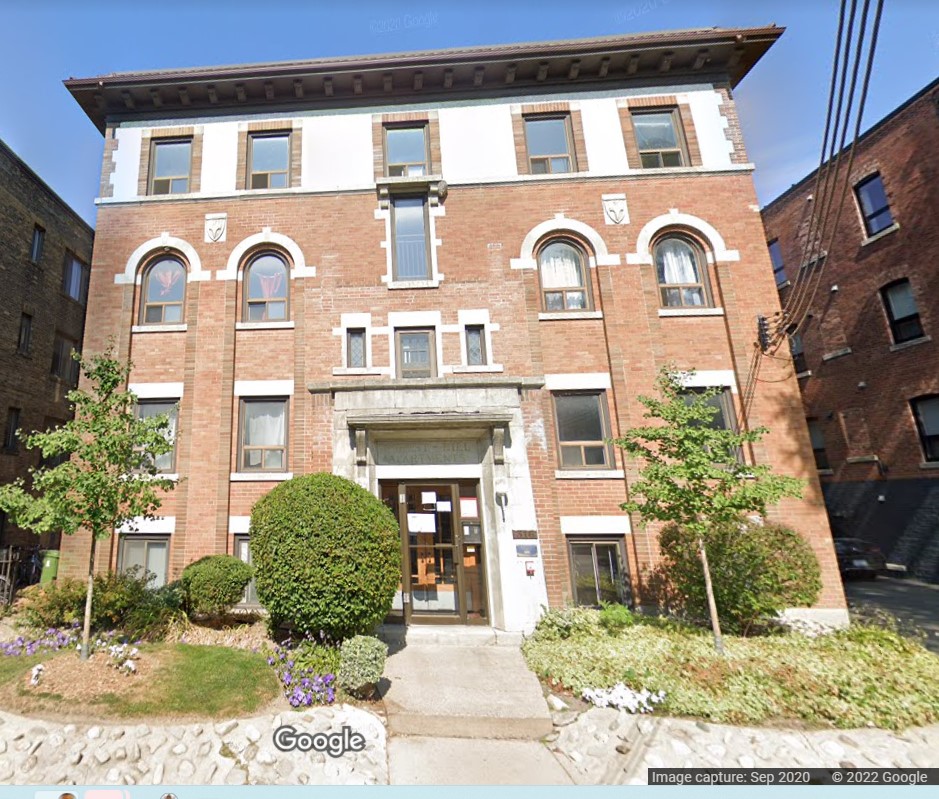 Because of the brain lesions and subsequent radiation, I was told that I was not allowed to drive for at least one year. Luckily though I live in Forest Hill Village, which consists of two blocks of commercial and retail, two stoplights north of St Clair West and Spadina. I’m literally a 100-metre walk from 6 banks, 3 coffee shops, a convenience store, a Kitchen Table grocery store, 2 drug stores, a book store, a What A Bagel, a Subway, a Freshii, 3 juice stores, and LCBO (not that I’m drinking these days), etc. You get the picture – pretty much anything I need without driving. Plus it’s only a 10-minute walk to the St Clair West subway station or streetcar. And I’ve been getting Sobey’s Voila grocery deliveries pretty much since we’ve been working from home so no concerns on that end either.
The only thing still to finalize was a schedule for weaning me off the steroid over the next few weeks, so when the doctors had finalized that, a sister picked me up and dropped me home, where of course it was nice to sleep in my own bed without being wakened at 6am for an ECG 🙂
Re-Diagnosed?
When the ER doctor spotted the tumour in the lung, he quite logically referred me to the “Lung” clinic at Princess Margaret and I’d had some inititial chats with Dr Liu on that team. However by the time the biopsy results came back in the third week of January, the diagnosis was actually malignant melanoma, more commonly known of as a skin cancer. I clearly had trouble getting my head around the idea that a tumour in my lung wasn’t lung cancer, but skin cancer….but eventually gave up and just rolled with it lol.
This meant I was now being transferred to the “Skin” clinic – which is conveniently co-located in the hospital with the lung clinic but with a completely different medical team. I had my first telephone consult with my new medical oncologist on January 19th, quickly followed by an in person consult the following Monday 24th. The recommended treatment is a combination immunotherapy of Opdivo and Yervoy consisting of four cycles administered three weeks apart, followed by two cycles of just the Yervoy, two weeks apart, then finally a mainteance cycle every 4 weeks. For those not familiar with it, immunotherapy attempts to use medications to boost one’s own immune system to fight the cancer cells, whereas chemotherapy uses medications to destroy the cancer cells directly. Of course both these medications come with a raft of potential side effects to watch out for!
Again things move pretty quickly with blood labs scheduled for January 31 and the first immunotherapy cycle for February 1. Later that day I’m also given a PET (Positron emission tomography) CT whole body scan. This produces a 3D images for a more accurate diagnosis.
The following week I developed a rash around my torso – one of those pesky side effects – but a steroid cream helped clear that up in about a week. The PET CT scan also showed something that may or may not have been anything on my colon, so a colonoscopy was scheduled for Valentines Day. Anyone who has ever had one, knows the challenge is not with the procedure but rather with the two days of preparation before when you need to cleanse until…well….you’re extremely clean. Basically two days of never getting far from the bathroom! But on the plus side, there was nothing to be found of concern.
The same week though I had developed double vision and because of the lateness in the day, my medical oncologist sent me to the TGH ER…again. And after another CT brain scan, was proscribed the Dex steroid again and an MRI head scan scheduled at PMH the next day. By Friday I met with the “Brain” medical team (also conveniently in the same clinic and skin and lung LOL) where they explained a larger lesion in the are of the brain that deals with vision seemed to be bleeding which was causing the double vision. By now the steroid had reduced the swelling. They made clear that the total brain radiation would continue to have effect on these lesions for several more weeks and hopefully the blood would eventually be reabsorbed into the tumour itself.
One question still remained though and that was whether to proceed with the next cycle of immunotherapy (IT) scheduled for the following Tuesday. Steroid meds generally make the IT less effective. Luckily my brain oncologist and the medical oncologist were both present in the clinic and able to work on a plan to reduce the steroid without having to postpone the next cycle of IT. So far this time, no side effects!

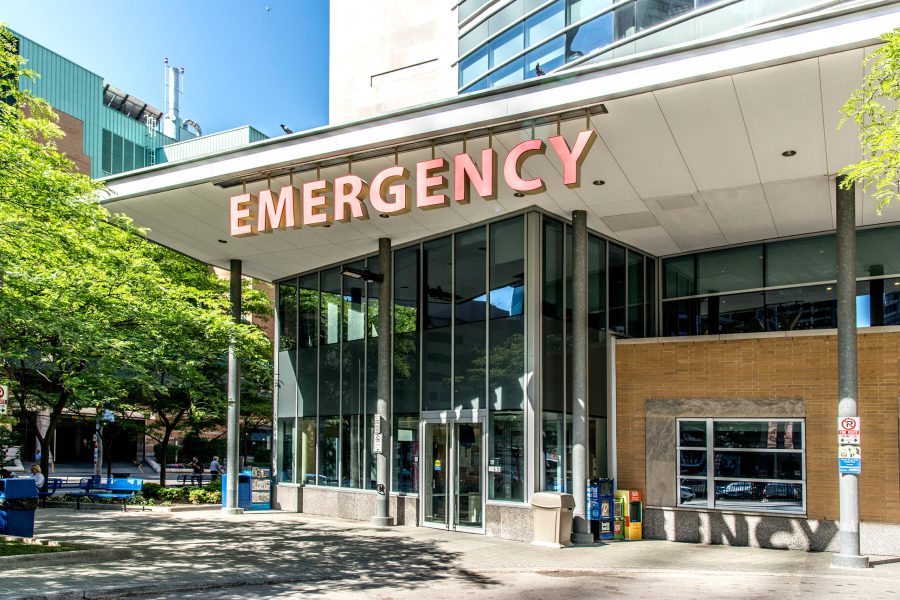
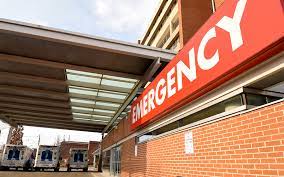 I was able to check myself into the ER, and after the usual wait was assigned a cubicle and all the checks from nurses and doctors. More scans revealed edema around the brain masses that were the most likely cause of the brain fog and so prescribed a strong steroid to control that problem. By this time my other sister Anne had somehow managed to talk her way into the ER to hang out with me and was relieved when they decided to admit me in the early morning hours of Christmas Day. I vaguely recall being moved to a single room with an anteroom, a nurse wearing all the PPE you could wear taking a COVID 19 swab, then drifting off to sleep.
 Sooner or Later